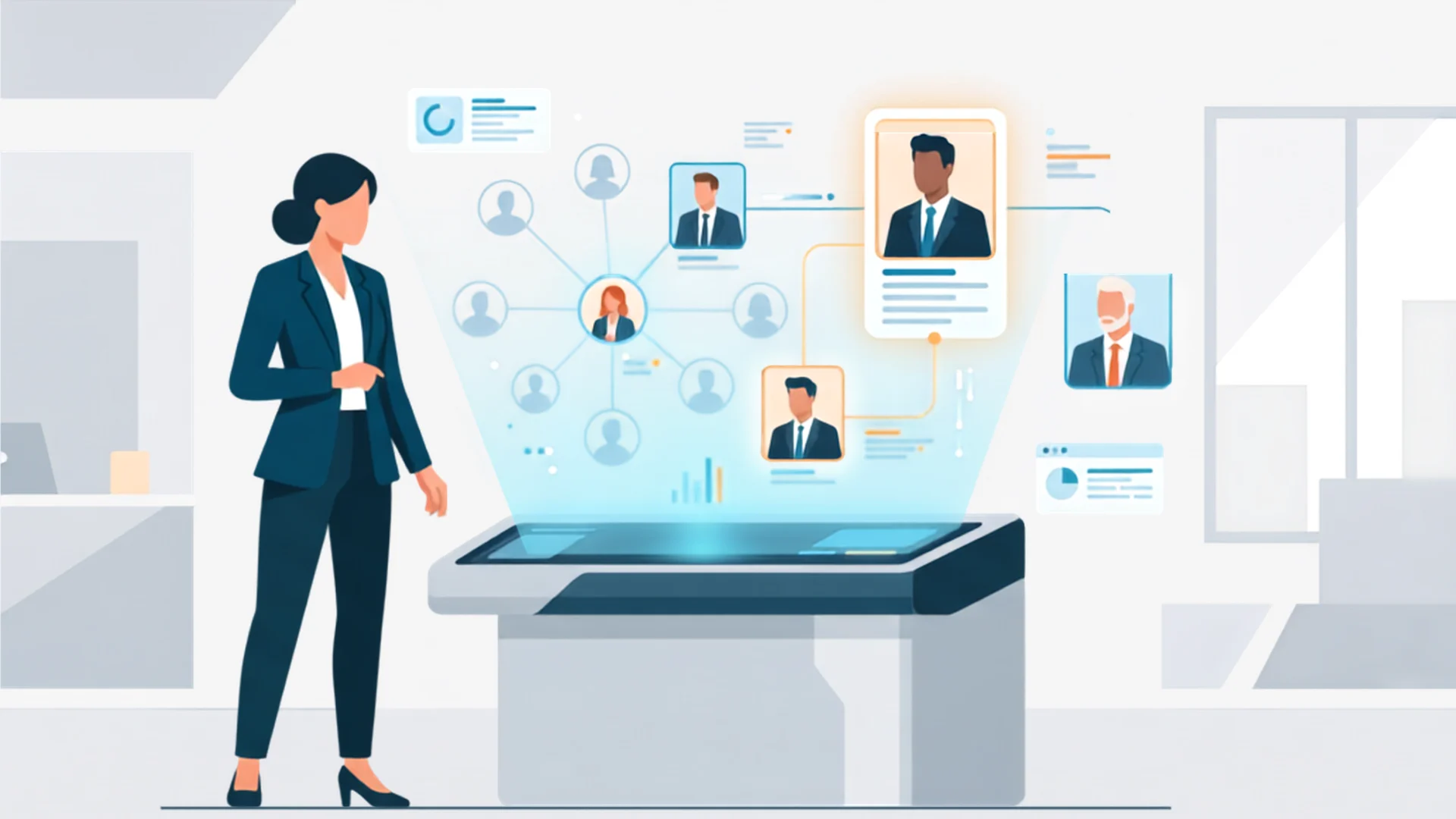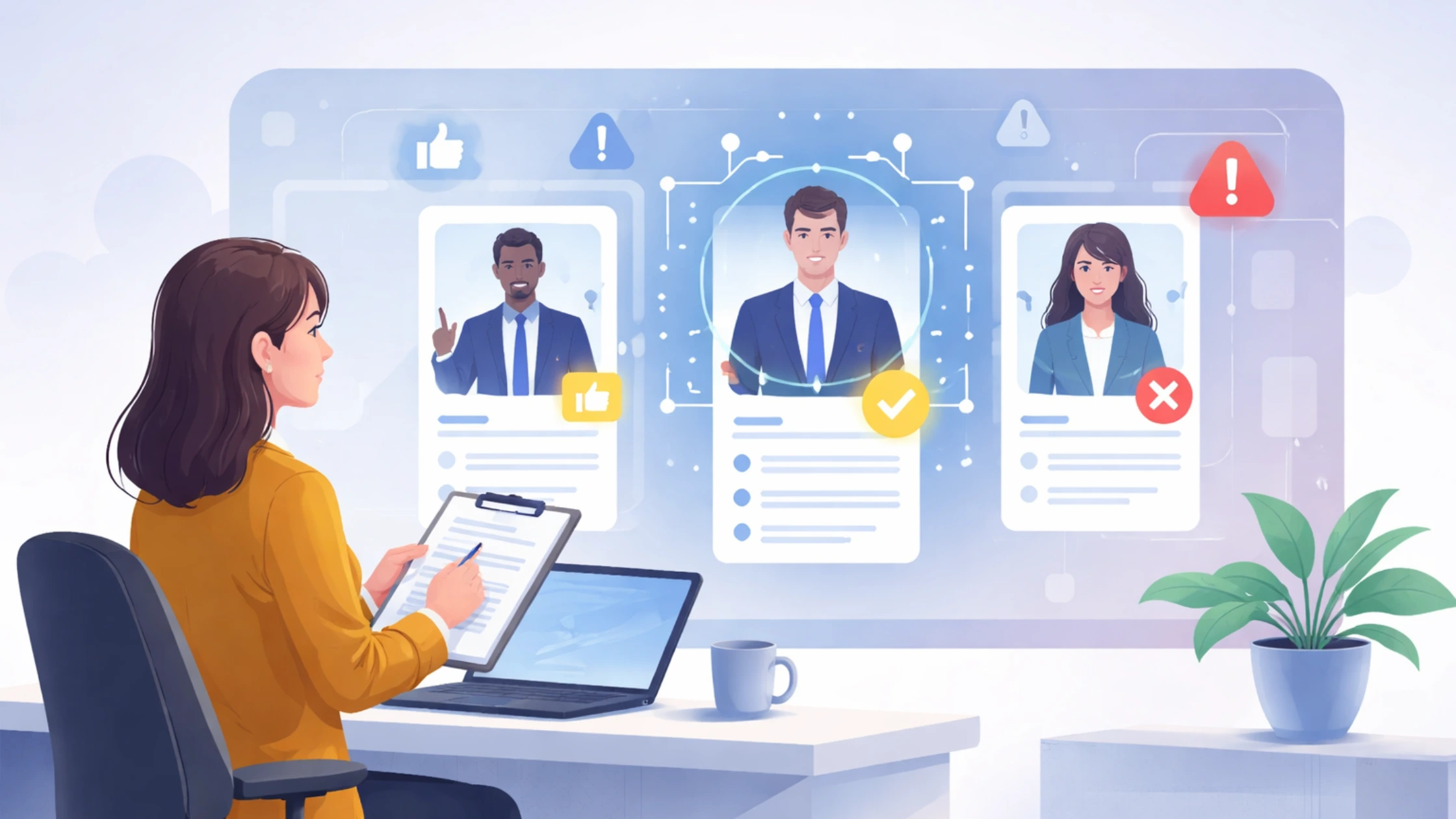

The AI workforce is transforming talent acquisition by helping recruiters hire faster, reduce manual tasks, and make more informed hiring decisions. As companies face pressure to improve speed, fairness, and candidate quality, AI in talent acquisition is being used for resume screening, candidate matching, conversational AI, predictive hiring analytics, and recruitment workflow automation.
Instead of replacing recruiters, AI supports them by handling repetitive tasks and providing data-driven insights. This article explains how the AI workforce is changing hiring, the benefits of AI recruitment tools, key challenges, and what the future of talent acquisition may look like.
TL;DR
- AI is revolutionising recruitment by automating and enhancing talent acquisition processes.
- Core AI applications include intelligent resume parsing, conversational AI, predictive analytics, and bias monitoring.
- AI empowers recruiters by handling routine tasks, allowing focus on strategic and human-centric activities.
- Benefits of AI in hiring include faster time-to-hire, improved quality of hire, cost efficiency, and increased diversity.
- Challenges include algorithmic bias, ethical concerns, data privacy, and the need for balanced human oversight.
- Future trends point to AI-powered talent advisors, voice assistants, and autonomous virtual recruiters.
- Leading companies like iSmartRecruit and major staffing firms successfully integrate AI to optimise recruitment.
What Is the AI Workforce in Talent Acquisition?
As it applies to recruitment, the AI workforce refers to a collection of advanced technologies, including AI recruitment tools, algorithms, and automation platforms that perform tasks traditionally handled by human recruiters. These tools don't just automate, they intelligently analyse, engage, and predict.
Unlike basic automation, which handles repetitive processes, AI in talent acquisition uses machine learning, natural language processing, and predictive hiring analytics to improve decision-making and candidate experience. This shift signifies more than just a technological upgrade - it's a complete digital transformation in HR.
Traditional Recruitment vs AI-Driven Talent Acquisition
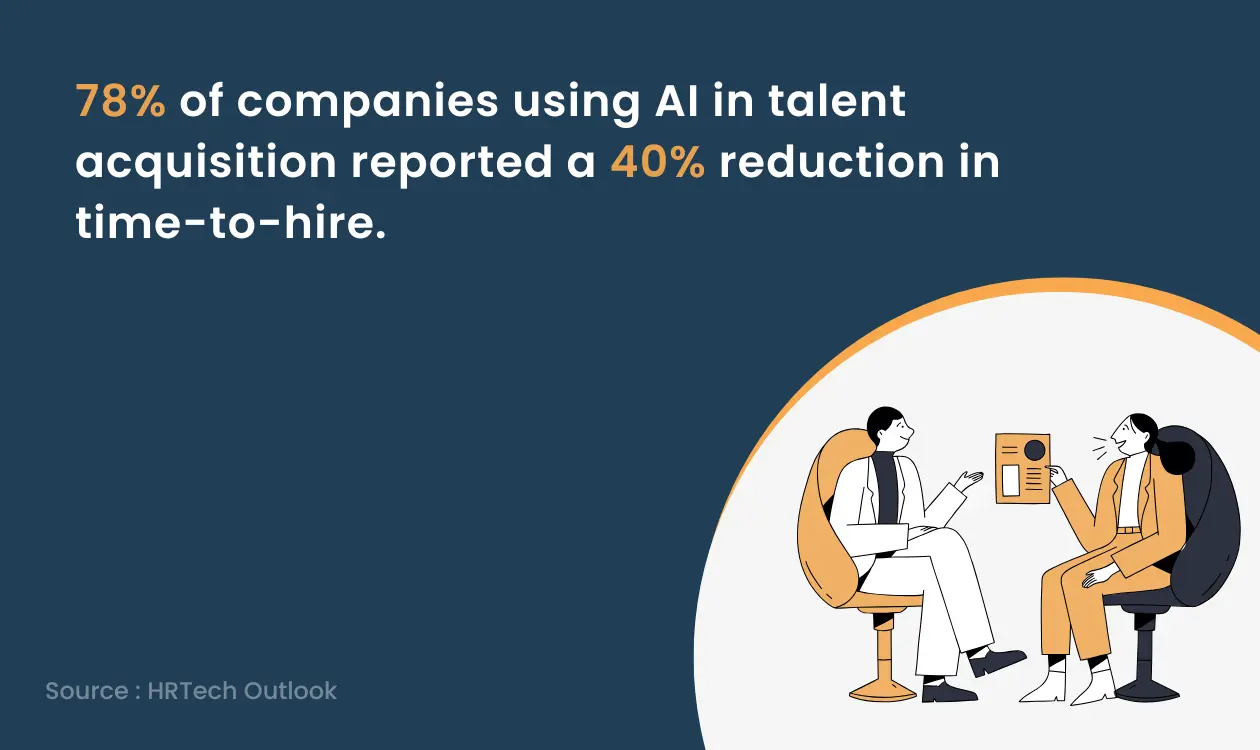
In the past, hiring looked different. People in charge of finding new employees had to go through resumes by hand, set up talks with job seekers, and often trust their gut feelings. This way of doing things took a lot of time, could lead to mistakes, and wasn't always fair. Now, we have entered the AI-driven recruitment process - a more agile and data-backed system. According to a 2025 survey by HRTech Outlook, 78% of companies using AI in talent acquisition reported a 40% reduction in time-to-hire.
Key Inefficiencies AI Recruitment Tools Help Solve
- Instant resume parsing and shortlisting.
- Conversational AI for real-time candidate engagement.
- Predictive analytics to assess candidate success.
- Automated compliance checks to ensure fair hiring.
Core Applications of AI in Talent Acquisition
With the rapidly evolving AI workforce, talent acquisition teams are adopting advanced tools beyond basic automation. Below are the latest core applications of AI in talent acquisition, reshaping the hiring landscape in 2026 and beyond:
AI Resume Screening and Candidate Ranking
Modern AI parsing engines extract data from resumes and assess candidate intent, context, and career progression. Tools like the iSmartRecruit Applicant Tracking System use AI to evaluate skill relevance, employment gaps, and even alignment with job descriptions, and then rank applicants accordingly to prioritise the best-fit profiles.
Conversational AI for Candidate Communication
Modern AI chatbots and Conversational Bots platforms do much more than just answer common questions. They work as digital hiring assistants, helping job seekers through the whole application process. These bots give personal feedback, set up interviews, and even run initial screening tests. They can talk in many languages and figure out how people are feeling in real time, which helps them connect better with applicants all over the world.
Predictive Hiring Analytics and Talent Forecasting
Cutting-edge prediction tools now estimate how well job candidates will do, how long they'll stay, and even how they'll fit into teams. These tools use info from previous hires, personality tests, and job reviews. AI helps companies build talent pools ahead of time and cut down on people leaving by spotting warning signs.
AI-Generated Job Descriptions and Recruitment Messaging
Using generative AI tools can now generate optimised, inclusive job descriptions targeting the ideal candidate persona. They also help recruiters generate outreach and follow-up emails tailored to the individual applicant, increasing response rates and creating a brand image for the company.
AI-Driven Video Interview Analysis
AI can assess recorded video interviews for communication skills, confidence, and behavioural traits using facial recognition, voice tone, and word choice. While still evolving, this tech is becoming a powerful pre-screening layer, especially for high-volume hiring.
Bias Monitoring and Ethical Hiring Algorithms
Next-gen AI Recruitment systems are being trained with DEI (Diversity, Equity, and Inclusion) datasets to detect and actively minimise hiring bias. These tools flag biased language, promote blind evaluations, and ensure fair shortlisting, making ethical compliance more measurable.
How the AI Workforce Is Transforming Recruiter Roles
The rise of the AI workforce isn't about replacing recruiters - it's about elevating their roles. As AI seamlessly takes over time-consuming administrative tasks such as CV screening, interview scheduling, and data reporting, recruiters are finally free to focus on what truly matters: building meaningful connections, crafting strong employer brands, and making strategic talent decisions.
This shift marks the beginning of a powerful human-AI partnership. Recruiters bring empathy, intuition, and cultural insight - elements no machine can replicate. Meanwhile, AI delivers speed, precision, and data-driven consistency, ensuring no opportunity or candidate is overlooked.
Rather than a tale of man versus machine, this evolution is a story of collaboration over competition. The future of recruitment lies in this synergy, where human intelligence and artificial intelligence combine to create a more innovative, more impactful hiring process.
Benefits of AI in Hiring and Talent Acquisition
Embracing AI in talent acquisition offers many advantages that are transforming the recruitment landscape. With the AI workforce supporting hiring teams, organisations are now able to:
1. Faster Time-to-Hire
AI tools automate repetitive processes like sourcing, screening, and interview scheduling, enabling faster decision-making and reducing bottlenecks across the hiring pipeline.
2. Improved Quality of Hire
Machine learning algorithms assess candidate profiles against job success predictors such as performance history, skill alignment, and cultural fit, improving the likelihood of long-term success.
3. Lower Recruitment Costs
By streamlining operations, AI helps reduce agency fees, advertising spend, and the need for large HR teams. This allows businesses to do more with less while maintaining recruitment standards.
4. Data-Driven Hiring Decisions
AI data mapping provides actionable insights from past hiring data and performance analytics, enabling recruiters to make smarter, evidence-based decisions rather than relying on instinct alone.
5. Better Candidate Engagement
AI chatbots and automated follow-ups ensure timely communication, reducing drop-offs and leaving candidates with a more positive perception of your brand.
6. Improved Diversity and Reduced Bias
AI-powered tools (when ethically trained) help minimise unconscious bias in screening by focusing purely on skills and qualifications, supporting diversity and inclusion efforts.
7. Scalable High-Volume Hiring
From seasonal spikes to rapid expansions, AI allows recruitment teams to scale operations without sacrificing quality, consistency, or candidate experience.
8. Stronger Employer Branding
AI-generated job descriptions, personal outreach, and timely feedback create a smoother experience and give an impression of modernity that can also reflect back on your company's branding. The AI workforce delivers measurable value across every stage of the hiring journey, from attraction to onboarding.
Challenges of Using AI in Recruitment
Despite its promise, integrating AI into recruitment presents specific challenges:
- Algorithmic bias: Poorly trained AI models can reinforce existing biases instead of eliminating them.
- Ethical concerns: Transparent decision-making processes are critical to trust and fairness.
- Data privacy and security: Handling sensitive candidate data requires robust protection and compliance.
- Over-reliance on automation: While AI is powerful, removing human oversight can lead to cold, mechanical interactions.
Balancing innovation with responsibility is key to successful adoption.
Future Trends in AI-Driven Talent Acquisition
As organisations continue to embrace digital transformation, the role of AI in talent acquisition is set to become even more strategic, intelligent, and autonomous. Gartner predicts that by the end of 2025, 60% of enterprise-level recruitment teams will use generative AI in at least one stage of their hiring process. The AI workforce of the future will not only support recruitment but also lead it in many ways. Here's what to expect:
1. AI-Powered Talent Advisors
Future recruiters will rely on AI as a personal assistant, delivering real-time insights on candidate potential, salary benchmarks, and team compatibility.
2. Voice & Video-Based AI Assistants
Voice-enabled AI recruiters will conduct verbal pre-screening calls, assess speech patterns, and provide instant feedback to HR teams.
3. Real-Time Candidate Feedback
AI will provide applicants with instant, personalised feedback after each stage of the process, improving transparency and candidate satisfaction.
4. Virtual AI Recruiters
Fully autonomous virtual recruiters are on the rise, capable of managing end-to-end recruitment from sourcing and screening to scheduling and feedback with minimal human intervention. This offers scalable hiring without sacrificing quality.
5. Smart Decision Engines for Hiring Decisions
AI-driven decision support systems are emerging to assist in final hiring choices. These engines analyse a combination of data skills match, personality assessments, team fit, and past performance indicators to provide recruiters with unbiased, evidence-based recommendations.
AI replacing recruiters? Not entirely, but it's changing how they work and what they focus on.
Companies Using AI Workforce Solutions in Recruitment
iSmartRecruit is at the forefront of enabling organisations to optimise their recruitment with AI. Their intelligent platform supports AI resume screening, conversational bots, and analytics tools that make hiring seamless and efficient.
For example, one mid-sized executive search firm using iSmartRecruit reduced its average time-to-hire by 50% and improved sourcing quality rate by over 60%. Other companies leveraging similar healthcare, IT, and finance platforms are reporting comparable gains.
The world’s largest staffing firms, such as Randstad and Adecco, also leverage AI recruitment tools to streamline recruitment processes, demonstrating that both large and mid-sized businesses can thrive with the right talent acquisition automation solution.
Conclusion: Embracing the Future of the AI Workforce in Hiring
The message is clear: the AI workforce is not just a trend - it's the future. Companies integrating AI in talent acquisition will gain a competitive edge through speed, efficiency, and smarter decision-making. However, this must be paired with a human-first mindset, ensuring that empathy, ethics, and experience remain central. To stay ahead, organisations must invest in trusted platforms like iSmartRecruit that offer comprehensive AI features with ethical design. This is not just about hiring better, it's about building the future workforce.
Frequently Asked Questions (FAQs)
1. What is the AI workforce in talent acquisition?
The AI workforce includes advanced tools like algorithms and automation platforms that help recruiters by analysing data, predicting outcomes, and engaging candidates. iSmartRecruit offers such intelligent solutions to enhance hiring efficiency.
2. How does AI improve the recruitment process?
AI speeds up time-consuming tasks like resume screening and interview scheduling, allowing recruiters to focus on building relationships. Tools like iSmartRecruit provide predictive insights to improve hiring decisions and candidate experience.
3. Can AI reduce bias in hiring?
Yes, AI can help minimize unconscious bias by focusing on candidate skills and qualifications rather than personal attributes. Ethically designed platforms like iSmartRecruit ensure fair and inclusive recruitment practices.
4. Will AI replace human recruiters?
AI is unlikely to fully replace human recruiters. It supports recruiters by automating repetitive tasks and providing insights, while humans remain essential for judgment, empathy, and final hiring decisions.
5. What are the risks of using AI in recruitment?
The main risks include algorithmic bias, lack of transparency, data privacy concerns, over-reliance on automation, and poor candidate experience if AI recruitment tools are not monitored properly.
About the Author